xxxxxxx

Design sectors

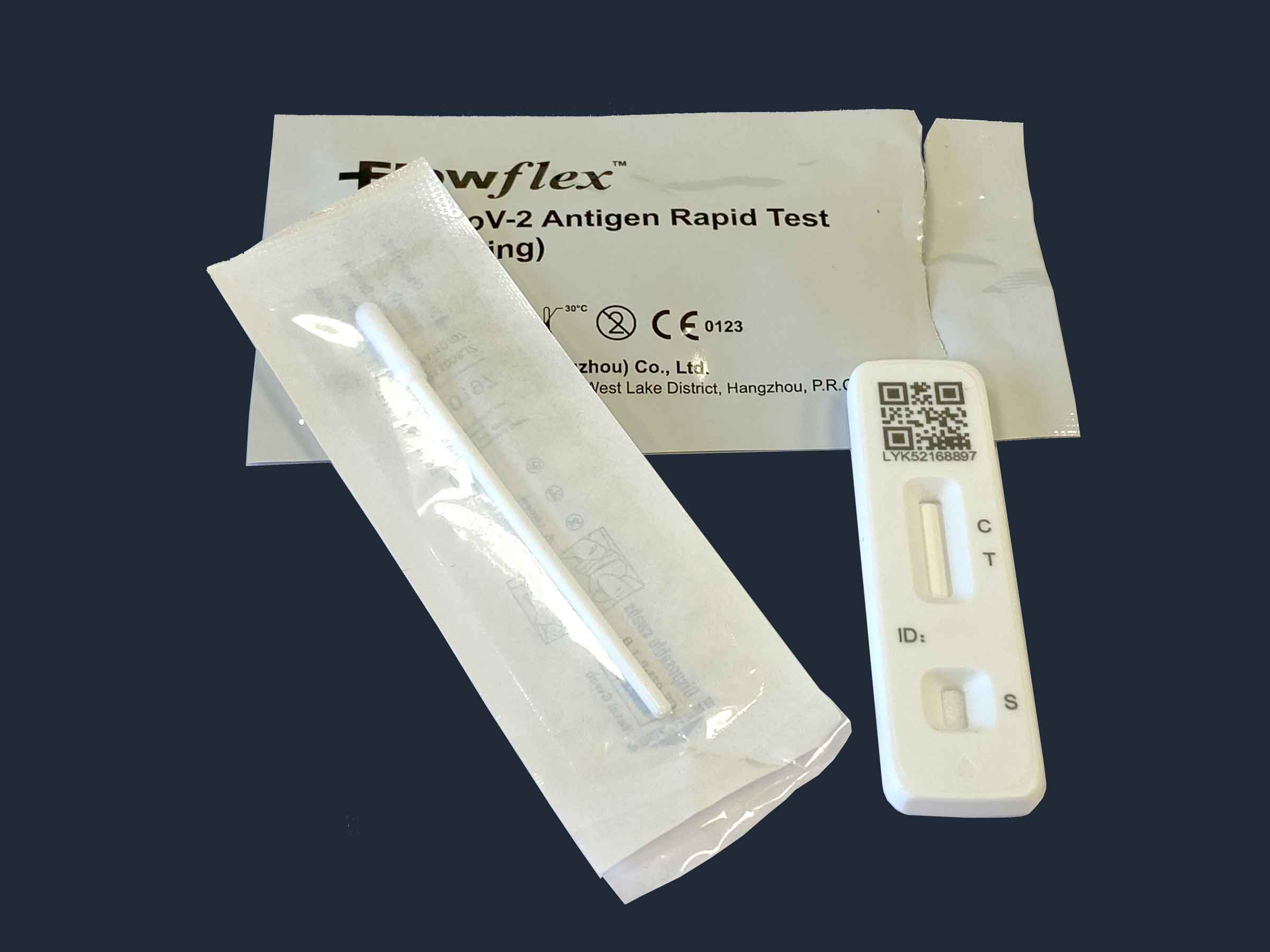
Point-of-care diagnostics

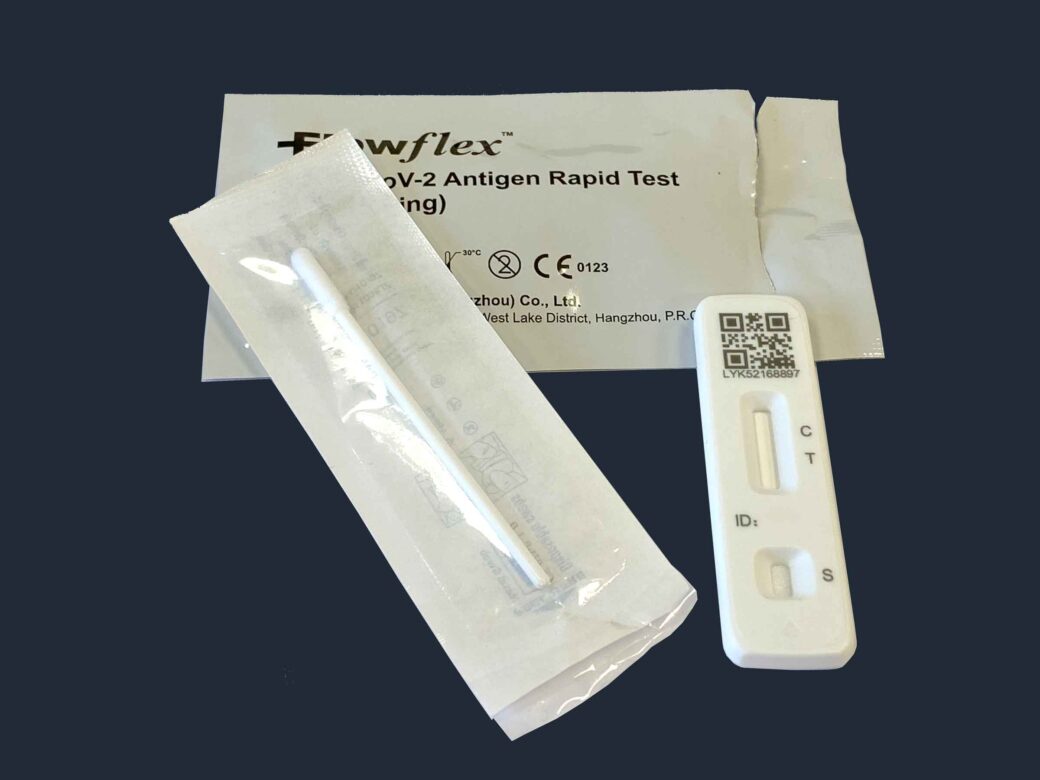
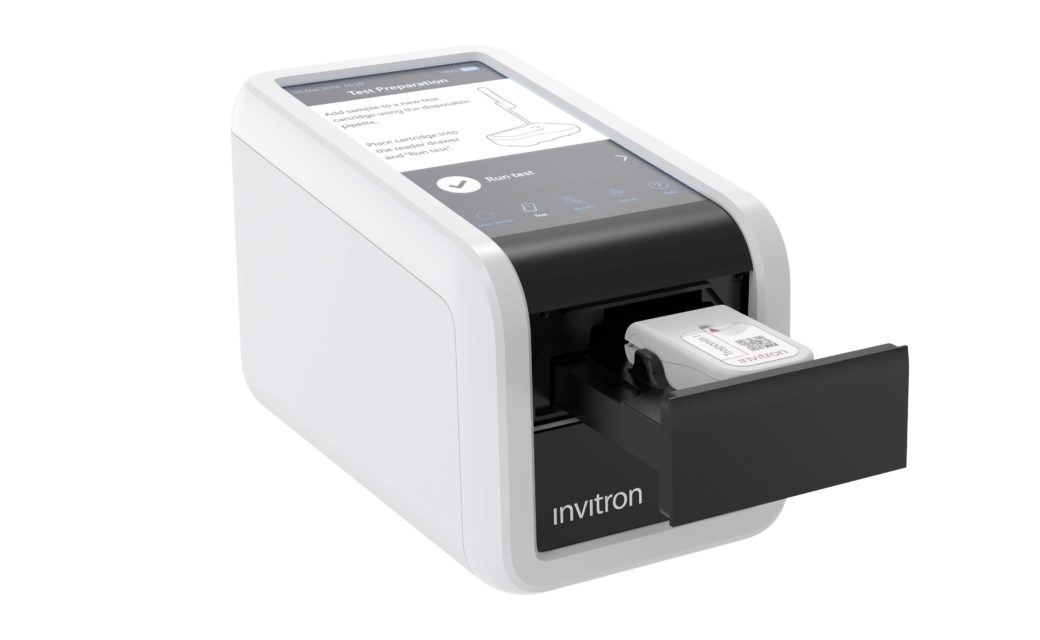
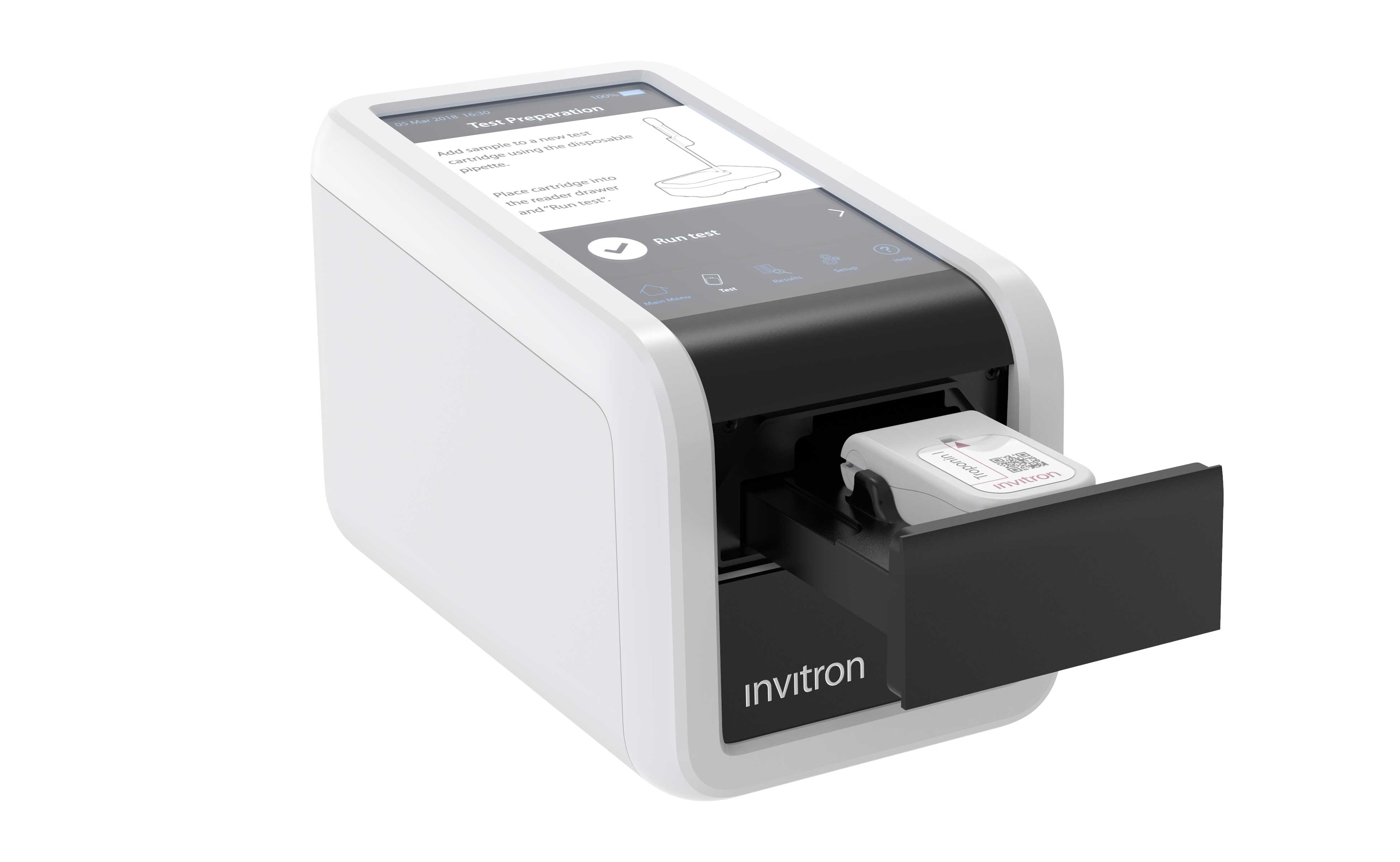
The global market for point-of-care diagnostics is increasing dramatically and is forecast to reach $18.7bn in 2014, rising from $13.4bn in 2009. The ability to deliver laboratory results outside of the hospital environment is enabling this increase, with blood glucose monitoring and blood chemistry & electrolyte providing the two main segments, along with cardiac markers, .. read more

Highly transparent Polypropylene

We use Polypropylene extensively in everyday products as it is low cost and has some excellent mechanical properties such as good impact resistance, is flexible, has a low MVTR (Moisture Vapour Transmission Rate) and you can create living hinges within a moulding. One disadvantage it has always had, is that optically transparent products could not .. read more

Anti-bacterial additives

Occurrences of MRSA and other hospital infections are mentioned everyday in the media. Clearly, cleaning plays in big role in reducing the chance of infection, along with good personal hygiene, however material technology is also playing its part. A huge amount of development has taken place in materials with antibacterial properties. The additive is added .. read more

Medical-grade elastomers

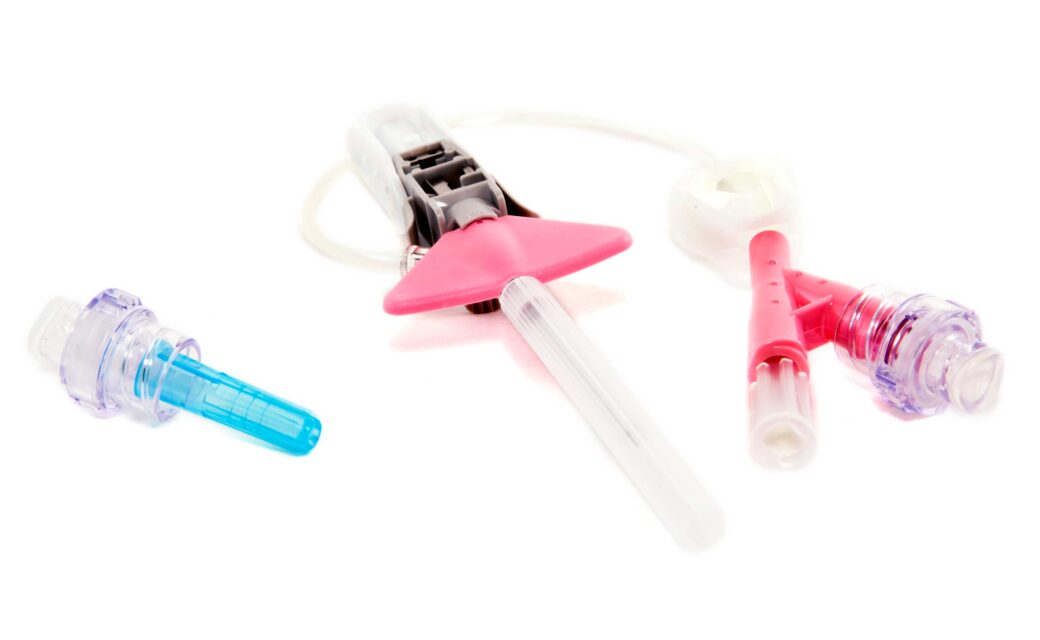
Many of the medical and healthcare products we use require the use of specific medical-grade elastomers. The elastomers often need to be odourless, be latex-free, and contain no phthalates. Phthalates have primarily be used to help soften Polyvinyl Chloride, but are being phased out in the United States, Canada and EU due to health concerns. .. read more

EPA: Polymer muscles that look alive

New artificial muscles could have potential uses in next-generation bionic implants and medical devices.